
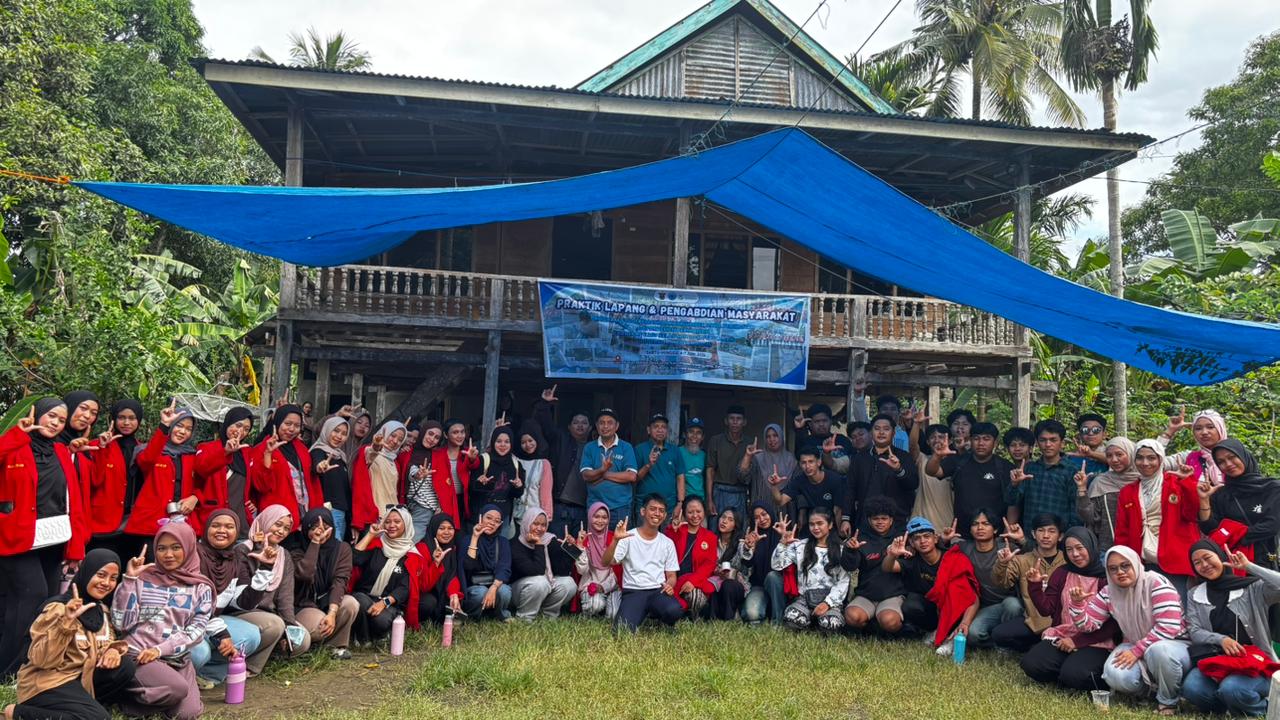
Bone, 6th of June, 2026 – The Capture Fisheries Study Program, Faculty of Marine Science and Fisheries (FIKP), Hasanuddin University, conducted a Community Service Program in Malela, Unra Village, Awangpone District, Bone Regency, on Saturday, June 6, 2026. The activity was carried out as part of the implementation of the Tri Dharma of Higher Education, with the objective of enhancing public understanding of sustainable fisheries resource management. Through this initiative, the lecturers sought to disseminate scientific knowledge and practical information that could be applied by local communities to support the sustainability of the fisheries sector.
During the program, Prof. Dr. Ir. Musbir, M.Sc. and Prof. Dr. Ir. Najamuddin, M.Sc. served as the keynote speakers and delivered a presentation entitled “Measured Fishing as a Strategy for Sustainable Fisheries Management.” The presentation highlighted the concept of measured fishing as a key policy instrument for maintaining a balance between the utilization of fishery resources and their long-term conservation. In his presentation, Prof. Musbir explained that measured fishing is a fisheries management approach that regulates fishing activities based on the available fishery resource potential while taking sustainability considerations into account. Through this approach, fishing operations can be conducted optimally without jeopardizing the long-term viability of fish stocks.
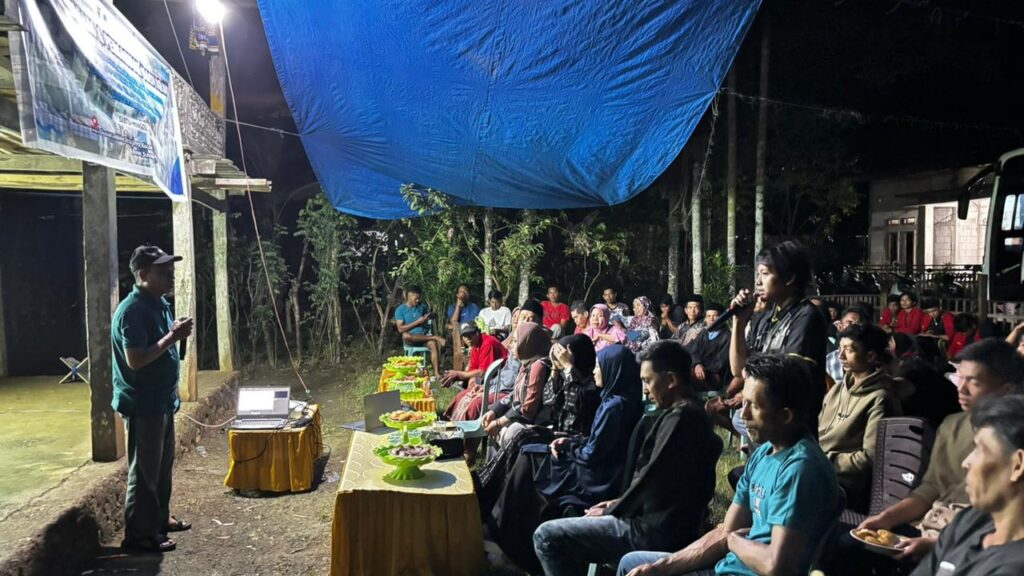
In addition to explaining the fundamental principles of measured fishing, the speaker emphasized the importance of involving all stakeholders, including fishers and coastal communities, in supporting the implementation of sustainable fisheries management. Responsible utilization of fishery resources, he noted, is essential for maintaining fisheries productivity while simultaneously improving community welfare. The community service activity concluded with an engaging discussion and question-and-answer session, providing participants with an opportunity to exchange ideas and seek clarification on issues related to fisheries resource management and sustainable fishing practices. Through this program, the Capture Fisheries Study Program of Hasanuddin University aims to strengthen collaboration between academia and local communities in promoting sustainable fisheries management. Beyond serving as a platform for knowledge transfer, the activity was also expected to enhance public awareness of the importance of preserving fisheries resources as valuable assets for both present and future generations.
The program concluded with a constructive discussion involving community members and participants. It is hoped that the knowledge shared during the event will serve as a valuable reference for fostering more responsible, productive, and sustainable fisheries practices throughout Bone Regency.