
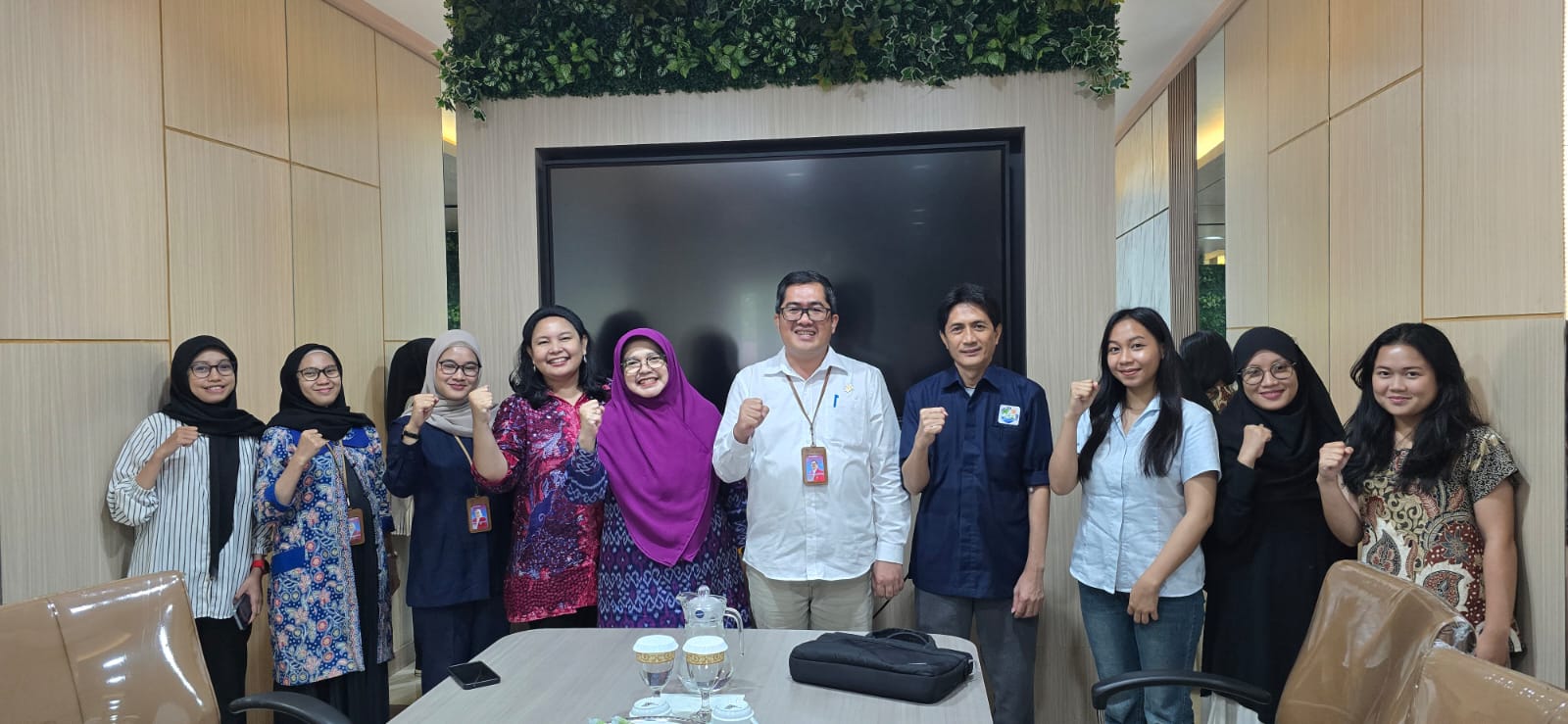
Makassar, October 2, 2025 — The Capture Fisheries Study Program of the Faculty of Marine Science and Fisheries held a focused discussion with Bina Nusantara University (BINUS) on big-data- and machine-learning-based mapping of tuna catches. The meeting served as a forum to exchange ideas on integrating fisheries data and applying intelligent analytics to support precise and sustainable capture-fisheries management.
The academic visit from BINUS was represented by Dr. Devi Fitrianah, S.Kom., M.T.I., and Ms. Susan Saragih Anggrainy. The delegation was received by the Dean of the Faculty of Marine Science and Fisheries, Prof. Safruddin, S.Pi., M.P., Ph.D, and the Head of Fisheries Information System and Marine Geospatial Laboratory, Prof. Mukti Zainuddin, S.Pi., M.Sc., Ph.D. Both parties highlighted opportunities for cross-campus synergy to strengthen the research ecosystem and the downstreaming of research outputs.
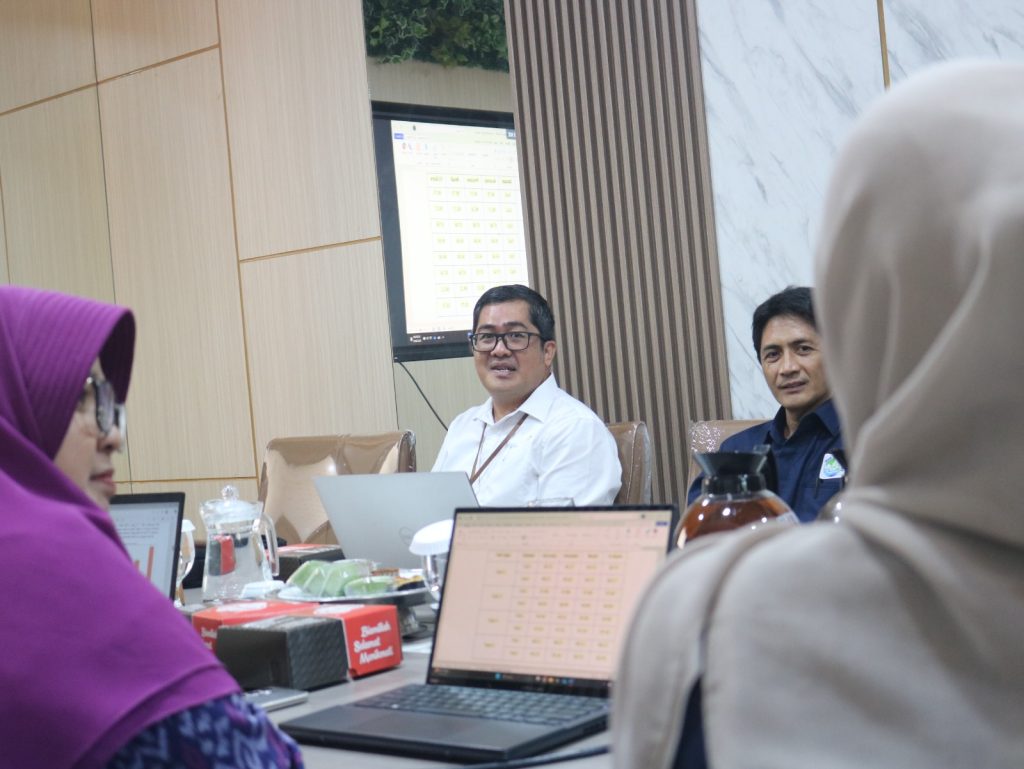
During the discussions held throughout the visit, both institutions underscored the importance of consolidating diverse data sources ranging from catch and fishing-effort data, oceanographic information (such as sea surface temperature and chlorophyll-a), to spatiotemporal vessel-track data. A Big Data approach enables efficient management of large and heterogeneous datasets, while Machine Learning is used to identify patterns, predict tuna distribution, and dynamically update recommendation maps for potential fishing zones.
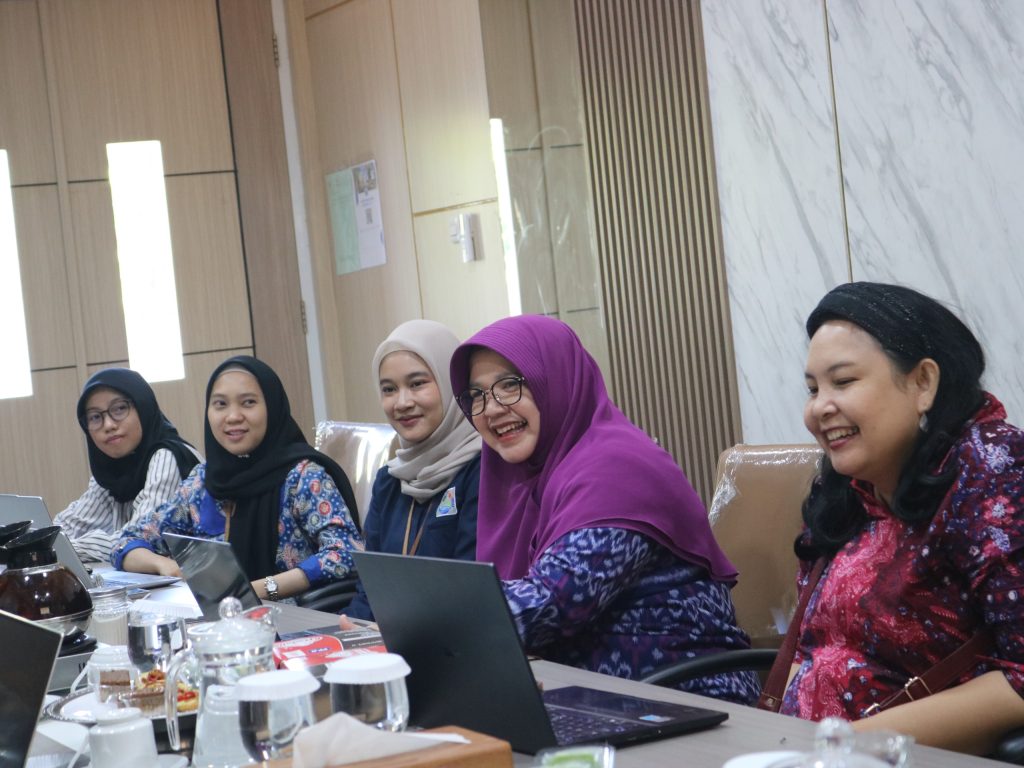
The follow-up points discussed at the meeting include drafting a joint research framework for tuna distribution modeling and field validation. The laboratory emphasized the importance of data openness, field validation, and stakeholder engagement to ensure that the developed models become increasingly accurate and relevant. Through this meeting, the Capture Fisheries Study Program reaffirmed its commitment to advancing applied research that delivers direct benefits to fishers, industry, and regulators. Collaboration with BINUS is expected to produce more precise resource-use maps, safeguard the sustainability of tuna stocks, and contribute to improving the welfare of fisheries stakeholders.